
















China is doubling down on its services economy, unveiling an ambitious roadmap to expand the sector to 100 trillion yuan (around $14.7 trillion) by the end of the decade. The plan signals a
strategic shift as policymakers aim to make services a central engine of job creation, domestic consumption, and long-term economic resilience.
According to a policy document released by the State Council, growth will be fueled by stronger domestic demand, structural reforms, technological innovation, and a wider opening to global markets. Authorities also pledged to dismantle institutional barriers and better align market dynamics with government support.
Officials say that by 2030, China expects to see “significant progress” in the high-quality development of the sector, alongside the emergence of globally competitive service brands under the “China Services” banner.
The push comes as the services industry already shows steady momentum. In 2025, the sector expanded by 5.4% year-on-year, reaching 80.89 trillion yuan, reflecting its growing importance in the world’s second-largest economy.
Beyond headline growth, the strategy focuses on strengthening high-value business services such as research and development, logistics, software, supply-chain finance, and environmentally sustainable solutions. At the same time, Beijing aims to upgrade consumer-facing industries including retail, healthcare, elderly care, childcare, tourism, and cultural services—areas seen as critical to improving quality of life and stimulating spending.
China’s economy in 2026: a transition year
In 2026, China’s economy is widely viewed as being in a transitional phase. While traditional growth drivers like real estate and heavy industry have slowed, new sectors—especially services, advanced manufacturing, and green technology—are taking on a larger role.
Economic growth is expected to remain moderate but stable, supported by government stimulus and policy easing. Domestic consumption is gradually becoming a more important pillar, though it still faces challenges such as cautious household spending and demographic shifts, including an aging population.
At the same time, China continues to invest heavily in innovation, particularly in artificial intelligence, digital services, and clean energy. These sectors are increasingly intertwined with the services economy, reinforcing Beijing’s broader strategy to move up the global value chain.
However, challenges remain. External pressures, including geopolitical tensions and trade uncertainties, continue to weigh on exports. Internally, balancing reform with stability—especially in labor markets and local government finances—will be key to sustaining growth.
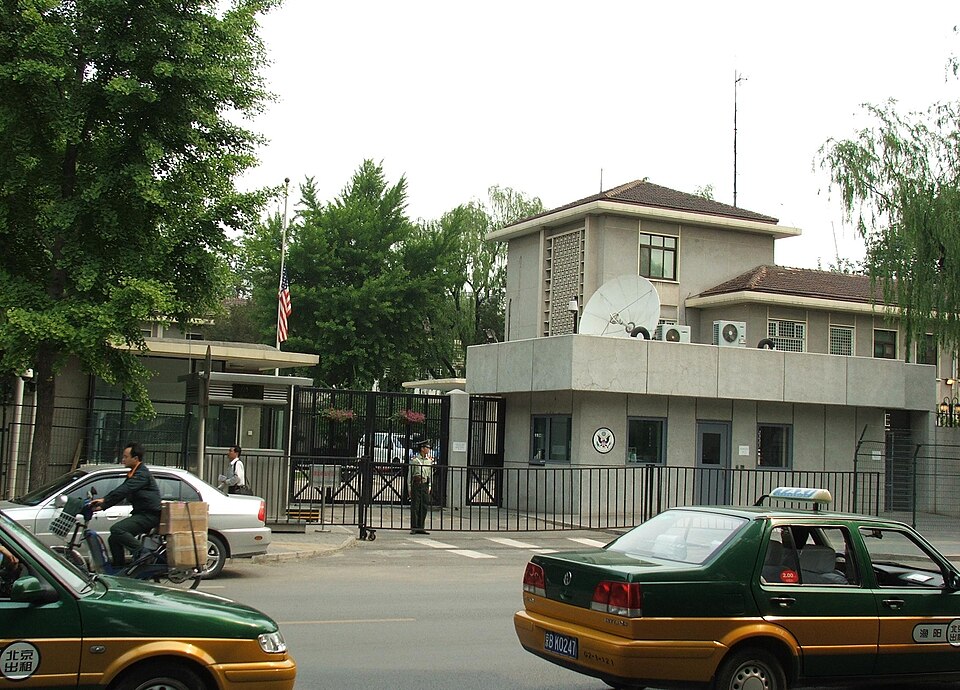
Still, the expansion of the services sector is seen as a cornerstone of China’s long-term economic rebalancing, helping reduce reliance on exports and infrastructure-led growth while creating more jobs and boosting consumer confidence. Photo by Daniel Case, Wikimedia commons.